Understanding the Benefits of Rekeying Locks
Just moved into a new home? Worried about who might still have a key from the previous owner? Your first instinct is likely to change the locks, a project that can be expensive and time-consuming. Before you head to the hardware store, you should know about a simpler, more affordable option that professionals use for instant peace of mind.
This smarter solution is called rekeying. Think of it like changing the password to your email account instead of buying a whole new computer. The process of rekeying locks alters the internal mechanism so it works with a brand-new key, making all old keys instantly useless. For boosting home security when the existing lock hardware is in good shape, this provides the exact same result as a replacement.
Get Estimate
This distinction is a game-changer for new homeowners. Instead of paying for brand-new deadbolts and knobs for every door, you’re only paying for a quick service that delivers the same level of security. This knowledge not only saves you significant money but secures your home immediately, letting you sleep better that very first night.
Denver Locksmith Services
What is Rekeying? The ‘Password Change’ for Your Front Door
When you lose a key or move into a new place, your first instinct might be to replace every lock. But there’s a simpler, more affordable option. The easiest way to understand what lock rekeying is is to think of it like changing the password for your Wi-Fi. You keep the same router (your existing doorknob or deadbolt), but you create a new password (a new key) so only you have access. You get the security of a new key without having to buy and install new hardware.
The process involves a locksmith adjusting the small pins inside the lock to match a brand-new key’s unique shape. This internal-only lock change makes any old keys—whether they belong to previous owners, tenants, or are simply lost—completely useless. It’s an effective way to restore security and gain peace of mind, knowing you control every copy of the key that opens your door.
Rekey vs. Replace: A 5-Minute Guide to Making the Right Choice
The choice between rekeying vs replacing locks isn’t complicated—it boils down to the condition of your hardware, your budget, and what you’re trying to achieve.
Choosing to rekey is the perfect solution when your existing locks are in good working order, but you’re not sure who has a key. It’s the go-to choice for pure security and convenience.
You should rekey your locks when:
- You’ve just moved into a new home or apartment.
- You lost a set of keys or had them stolen.
- A roommate, contractor, or tenant has moved out.
- You want one key to work for multiple doors (front, back, and garage).
On the other hand, sometimes a lock is simply too old, broken, or outdated to be worth saving. In these cases, replacement is the only logical path. This is your chance to upgrade not just your security, but also the style and features of your door hardware.
You should replace your locks when:
- The current locks are rusted, damaged, or difficult to operate.
- You want to change the style or color to match a new door or home decor.
- You want to upgrade to high-security locks or a smart lock with a keypad.
If your hardware is in good shape, rekeying offers the same security as a brand-new lock for a fraction of the price. But if you’re looking for a new style or advanced features, a full replacement is the way to go.
How Much Does It Cost to Rekey Locks?
So, is it cheaper to rekey or replace? For almost everyone, the answer is a resounding yes—rekeying is significantly more affordable. Locksmiths typically use a straightforward pricing model: a one-time fee for the service call (often called a “trip charge”) plus a smaller, per-lock fee for each cylinder they rekey. This structure makes it very cost-effective to have multiple locks serviced in a single visit, securing your entire home at once.
When you run the numbers, you’ll find that rekeying is often 50-70% cheaper than buying and installing new hardware of comparable quality. The reason for this huge difference is simple: you’re paying for a professional’s time and expertise, along with a few tiny, inexpensive metal pins—not for several heavy, expensive new locksets. The total cost to have a locksmith rekey a typical home in an area like Denver, for instance, is often less than what you’d spend on just two new high-quality deadbolts.
If your locks are in good condition, rekeying delivers the exact same security boost as buying new ones, but for a fraction of the price. It’s the financially savvy choice for instant peace of mind.
Tired of a Bulky Keychain? The Magic of a Single Key System
Beyond the cost savings, rekeying your locks offers a major lifestyle upgrade: the ability to eliminate that clunky, confusing ring of house keys. Imagine using the same, single key to unlock your front door, back door, and even the side door to the garage. This isn’t a special, expensive feature; it’s one of the core benefits of a single key system that a locksmith can create during a routine service call.
This convenient setup is professionally known as having your locks keyed alike. When rekeying locks, a technician can configure the internal pins in multiple lock cylinders to match one brand-new key. The result is a streamlined system that ends the daily guesswork of fumbling for the right key in the dark or with your hands full of groceries. It’s a small change that delivers a surprising amount of everyday convenience.
The only common requirement is that your locks are from the same manufacturer (like all Schlage or all Kwikset), as their internal parts are designed to be compatible. By simply adjusting those tiny pins, a locksmith grants you both the security of a new key and the simplicity of a single one.
How Changing Tiny Pins Can Make Your Home Secure
It seems almost like magic that changing a few small parts inside a lock can render an old key useless. The secret, however, is surprisingly simple and lies in a series of tiny components called lock pins. Understanding their job is the key to seeing exactly how lock rekeying works.
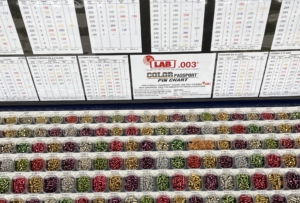
Think of these pins as a tiny, unique password made of metal, hidden inside the lock cylinder. Each pin is a different length, creating a specific combination that only one key can solve. When you slide your key into the lock, its jagged edge must lift every single pin to one perfect, uniform height.
If even one pin is too high or too low, the lock remains stuck. But when the correct key is used, all the pins align perfectly, allowing the cylinder to turn and the door to unlock. This precise alignment is what provides the lock’s security.
A locksmith simply removes the lock cylinder, dumps out the old set of pins, and installs a new set with a different combination of lengths. The new pins are configured to match a brand-new key, making your old key nothing more than a useless piece of metal.
DIY Lock Rekeying: Are You Ready to Be Your Own Locksmith?
The idea of tinkering with tiny pins might sound intimidating, but rekeying your own locks is more accessible than ever. The difficulty, however, depends entirely on the type of lock on your door. Some modern locks, like those with Kwikset SmartKey security, are designed for homeowner rekeying. The process takes less than a minute and requires only your old key, a special tool that comes with the lock, and your new key—no disassembly required.
If your locks don’t have this feature, the DIY route is still possible but more involved. You’ll need a brand-specific DIY lock rekeying kit, which is matched to your lock’s manufacturer (e.g., Schlage, Defiant). Using one requires you to carefully take apart the lock cylinder. The basic tools needed to rekey a deadbolt this way often include:
- A screwdriver
- A cylinder removal tool (usually in the kit)
- Tweezers for handling small pins
- The new pins and key from the kit
So, should you try it? If you have a SmartKey-style lock, absolutely—it’s designed for you. For a standard kit, the project is perfect for a patient DIYer who is comfortable with small, delicate parts. You’ll save on the locksmith’s labor cost, but be warned: one mistake could send tiny springs flying and force you to call a professional anyway.
When Rekeying Isn’t the Answer: 3 Times You MUST Replace Your Locks
While the convenience of having one key for every door is a major perk, there’s a significant catch: you can’t mix and match brands. Think of it like trying to charge an iPhone with an Android cable; the parts simply don’t fit. Each lock manufacturer, like Schlage or Kwikset, uses a unique key shape and internal design called a keyway. So, if your front door has a Schlage lock and your back door has a Kwikset, you cannot rekey them to use the same key, as they must be from the same brand.
Beyond brand compatibility, the physical condition of your hardware is critical. Rekeying is like changing a password; it doesn’t fix a broken computer. If your lock is rusted, sticking, or the mechanism feels loose and wobbly, rekeying is a waste of money. The internal pins may be new, but the faulty hardware will still fail. In these cases, a full replacement is the only way to ensure your lock is both secure and reliable.
Finally, rekeying is off the table when you want to upgrade your lock’s features. If you are moving into a new house and are interested in the convenience of a keypad, the connectivity of a smart lock, or a higher-security design, you’ll need to buy new hardware. Rekeying only changes which key works—it can’t add a Bluetooth radio or a fingerprint scanner.
Your New Home Security Checklist: 3 Simple Steps to Peace of Mind
You now have the knowledge to make a smarter choice about your home’s locks. You understand the difference between replacing hardware and simply rekeying, giving you control over your home’s security and your budget. This knowledge becomes power when you act on it.
Your 3-Step Action Plan:
- Inspect Your Hardware: Take a close look at your doors. Are the locks in good working order, or are they old and worn?
- Define Your Goal: Do you just need to ensure old keys no longer work, or are you looking for a new style or a smart-lock upgrade?
- Choose Your Path: Based on your answers, you can now confidently decide whether to buy a simple DIY rekeying kit, call a local locksmith for a quick job, or shop for new locksets.
You’ll never look at a set of keys the same way again. Instead of a source of worry, you now see a simple, solvable security question. You’re equipped to decide when to rekey your home, ensuring your peace of mind is always in your hands.