Essential Guide to Changing Your Locks
Changing your locks is a crucial step in securing your home. Whether you’ve moved into a new place or lost your keys, a lock change can provide peace of mind.
This guide will walk you through the process of changing locks, from selecting the right type to installation. We’ll cover everything you need to know, including tools and preparation.
You’ll also learn how to change a code on a Schlage lock, a popular choice for many homeowners.
Understanding when and why to change your locks is essential for maintaining security.
By the end of this guide, you’ll be equipped with the knowledge to enhance your home’s safety.
Why and When You Should Change Your Locks
Changing your locks is a fundamental security practice. It’s particularly crucial when moving into a new home. You never know who might have a copy of the old keys.
Another important time to consider a lock change is after losing a key. This prevents unauthorized access and protects your family and belongings.
If you’ve experienced a break-in, changing locks should be a top priority. This can deter future attempts and restore a sense of safety.
Consider changing your locks in the following situations:
- After a roommate moves out
- When your keys are stolen
- To upgrade to a more secure lock
Regularly reassessing your lock security helps maintain strong home protection. Choose lock changes as a proactive step in your security strategy.
Types of Locks: What You Need to Know
Understanding different lock types is crucial for making informed decisions. Each lock type offers varying levels of security and convenience. Knowing their features helps you choose the best option for your needs.
Deadbolts are highly secure and commonly used for exterior doors. They feature a thick bolt that secures the door firmly. Always consider them for an added layer of protection.
Knob locks are typically found on interior doors. While convenient, they offer less security than deadbolts. Consider pairing them with deadbolts for improved safety.
Smart locks are emerging as a convenient option with added features. They can offer keyless entry and remote control. Here’s a quick overview of lock types:
- Deadbolts
- Knob locks
- Smart locks
- Lever handle locks
- Mortise locks

Choose a lock type based on security needs and ease of use. Evaluate your home’s specific requirements to make the best choice.
Tools and Preparation for a Lock Change
Before starting a lock change, gather the necessary tools and materials. Preparation ensures a smooth process without interruptions. It’s important to check you have everything ready.
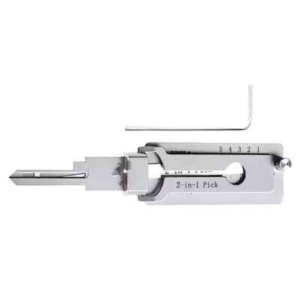
A standard toolkit will usually include a screwdriver and a new lock set. Depending on your door, a drill might be needed too. Measuring your door’s specifications is crucial for compatibility.
Here’s a basic checklist for your lock change project:
- Screwdriver
- New lock set
- Drill (if needed)
- Measuring tape
- Safety goggles
Double-check that your replacement lock matches the door’s holes. Having the correct tools and preparation will make the process easier and efficient. Taking time to prepare will save you time later.
Step-by-Step Guide: How to Change a Standard Door Lock
Changing a standard door lock is a straightforward process. First, ensure you have your tools ready. Start by removing the old lock from the door.
Begin by unscrewing the screws on the interior side of the door. You’ll find these on the lock plate. Keep the screws in a safe place, as you might need them later.
Next, carefully remove the lock from the door. Pull it towards you and detach it from the door frame. Don’t rush this step; ensure you handle the lock gently.
Take your new lock set and align it with the existing holes in the door. This is crucial for a proper fit. Insert the lock through the holes and position it correctly.
Tighten the new screws to secure your lock. Ensure everything is tightly fitted. This prevents any wobbling or loose fit.
Finally, test the new lock. Turn the key and check both the locking and unlocking mechanisms. It’s vital to confirm it works smoothly.
In summary, remember these key steps:
- Remove old lock.
- Align new lock.
- Secure with screws.
- Test functionality.
Following these steps ensures your lock change is successful and secure. Taking your time will help avoid mistakes.
How to Change a Code on a Schlage Lock
Changing the code on a Schlage lock can enhance your home’s security. Start by locating the programming code. This code is typically found on the user manual or the back of the keypad.
Before beginning, ensure the door is open. This precaution prevents being locked out if issues arise. Insert the key and turn it to the “on” position.
Next, enter the programming code on the keypad. You will hear a beep to confirm it’s accepted. Follow this with the “Schlage” button and press the number “1.”
Now, enter the new code you wish to set. This should be a unique code, ideally four to eight digits long. Re-enter the new code to confirm it.
Listen for two beeps to verify that the code has been successfully changed. If you don’t hear the beeps, repeat the steps. Ensure to use the correct sequence.
Here’s a quick recap of the process:
- Locate and use the programming code.
- Enter the new desired code.
- Confirm the new code.
Regularly updating your codes can prevent unauthorized access. Follow these steps to keep your Schlage lock secure.
Rekeying vs. Replacing: Which Is Right for You?
When considering a lock change, rekeying and replacing are two options. Each has unique benefits and considerations based on your situation.
Rekeying involves altering the internal pins so only a new key can work. It’s a cost-effective method, especially if the lock hardware is still intact. This option saves time and resources.
Replacing means installing a completely new lock. This might be necessary if the lock is damaged or outdated. Replacements offer a chance to upgrade to a model with more security features.
Consider these points when deciding:
- Condition: Is the lock in good shape?
- Cost: What’s your budget?
- Security needs: Do you need enhanced features?
Evaluate your security goals to choose the best method. Each option has distinct advantages to fit different needs.
Tips for Choosing the Right Lock for Your Home
Selecting the correct lock for your home is crucial. It ensures both security and convenience for all household members.
Consider the following factors when selecting a lock. The lock should match your home’s aesthetic style, offering both security and visual appeal. Evaluate the security features you need, such as anti-bump or keyless entry.
Here’s a checklist to guide your choice:
- Security Rating: Does it meet industry standards?
- Compatibility: Will it fit your door specifications?
- Convenience: Are features like keyless entry a priority?
- Durability: Is it weather-resistant for exterior doors?
Research and compare different brands to make an informed decision. Taking time now ensures peace of mind later.
Smart Locks and Advanced Security Features
Smart locks offer modern convenience and enhanced security. They let you control access to your home remotely with your smartphone. Advanced features include activity logs, remote access, and integration with smart home systems.
When choosing a smart lock, consider these advanced security features. Look for options with two-factor authentication and audit trails that help track user access history. The ability to create temporary codes is also beneficial.
Key features to evaluate:
- Remote Access: Control via mobile app.
- Integration: Works with smart home devices.
- Activity Logs: Track who’s entered and when.
- Two-Factor Authentication: Adds an extra security layer.

Choosing a smart lock can greatly enhance your home’s security. Make sure the lock you choose fits your lifestyle and security needs. Consider ease of use and integration with existing technology for a seamless experience.
Common Mistakes to Avoid When Changing Locks
Changing locks can be tricky, even for DIY enthusiasts. People often overlook some common pitfalls during a lock change. Avoid these errors to ensure a successful installation.
Key mistakes to watch out for:
- Skipping Measurement: Ensure the new lock fits existing holes.
- Ignoring Instructions: Follow the manufacturer’s guidelines.
- Not Testing: Always test the lock after installation.
Attention to detail and proper preparation help prevent these mistakes. This ensures your new lock operates smoothly and securely from the start.
When to Call a Professional Locksmith
Sometimes, changing a lock can be more complex than expected. If a lock requires special tools or technical know-how, seek professional help. This ensures safety and quality.
Reasons to consider a professional locksmith:
- Dealing with high-security or smart locks.
- Facing issues with fit or compatibility.
- When time and precision are crucial.
Rely on expertise for complex lock challenges. It’s often worth the peace of mind.
Maintenance and Security Best Practices After a Lock Change
Maintaining your new lock is crucial for longevity. Regular checks can prevent unforeseen issues. Ensure the lock functions smoothly after installation.
Key maintenance tips:
- Clean and lubricate locks yearly.
- Inspect screws and plates regularly.
- Test lock functionality often.
Security remains a priority. Keep your door hardware in excellent condition to ensure ongoing safety. Routine checks add peace of mind.
Frequently Asked Questions About Lock Change
Lock changes often raise many questions. Here are some common inquiries homeowners have.
Frequently asked questions include:
- How often should locks be changed?
- Is DIY lock change safe?
- Should I change my locks after losing keys?
Addressing these questions can help you make informed decisions about home security. Always consult a professional if you’re unsure.
Conclusion: Take Control of Your Home Security
Changing locks is an effective way to secure your home. Whether opting for a DIY approach or seeking professional help, a lock change can enhance safety.
With the right tools and knowledge, you can manage this critical task with confidence. Always prioritize your home security to enjoy peace of mind.